
What We Do
We’ve identified sources of genetic resistance to canola and pulse diseases
Through global and national collaborations we’ve successfully identified partial sclerotinia stem rot resistance in canola and ascochyta blight resistance in chickpeas and lentils, helping breeders develop more resistant canola and pulse varieties.
We’re developing management tools to improve crop yield
We've screened commonly grown canola varieties with sclerotinia isolates, recording significant differences due to environmental conditions during the infection period. This finding will help growers manage the disease to improve crop performance.
We’re speeding up chickpea resistance discoveries
We developed a robust and rapid method to determine ascochyta blight resistance in chickpeas at the seedling stage, speeding up the resistance breeding process from months to weeks.

Our Current Projects

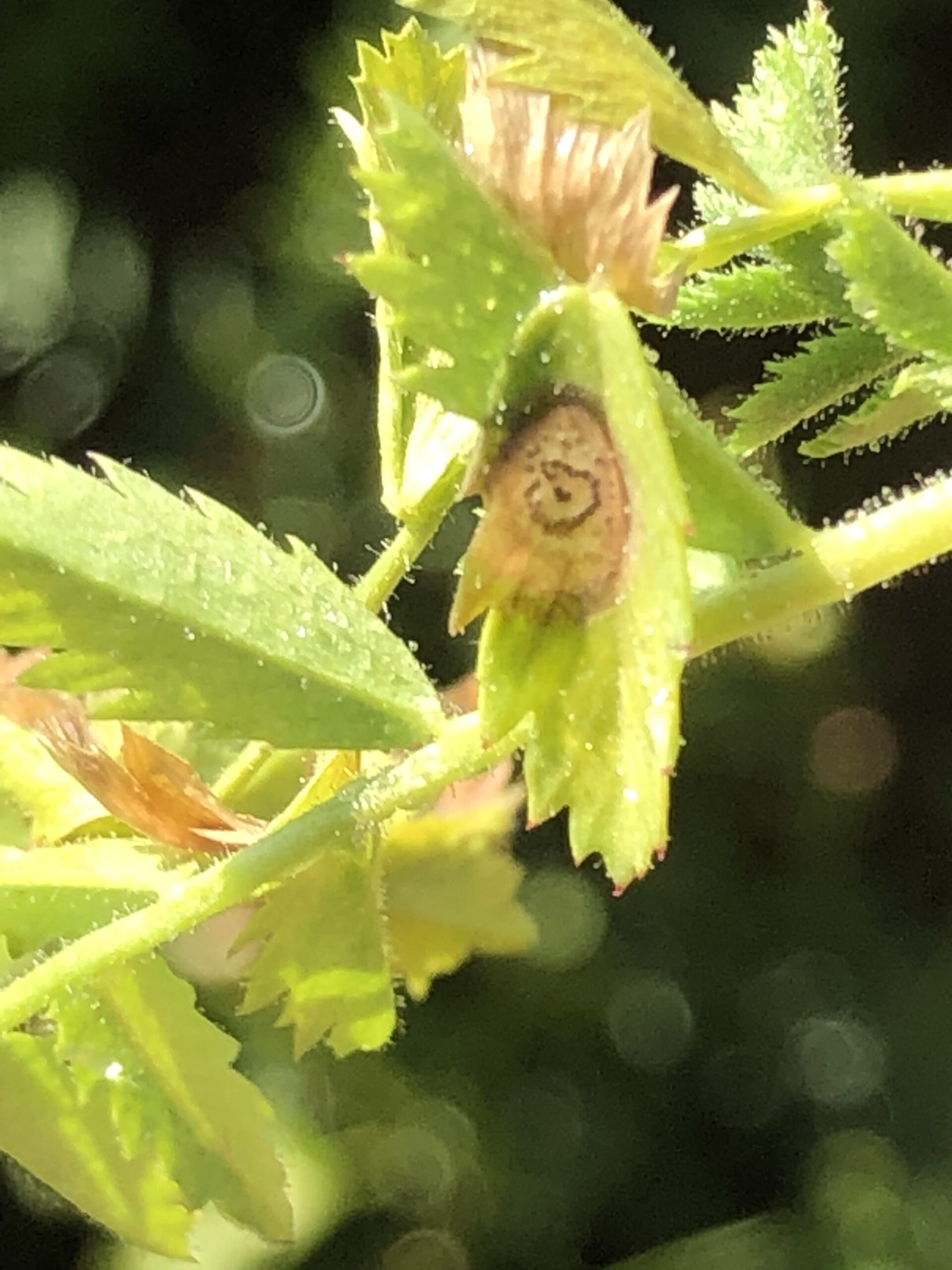
Disease resistance of lupins
Investigating the impact of sclerotinia stem rot on lupins by identifying varietal susceptibility and pathogen aggressiveness, paving the way for field testing a broader range of lupin lines to improve future disease management strategies. This project is led by DPIRD and funded by the WA Agricultural Research Collaboration (WAARC) and GRDC.
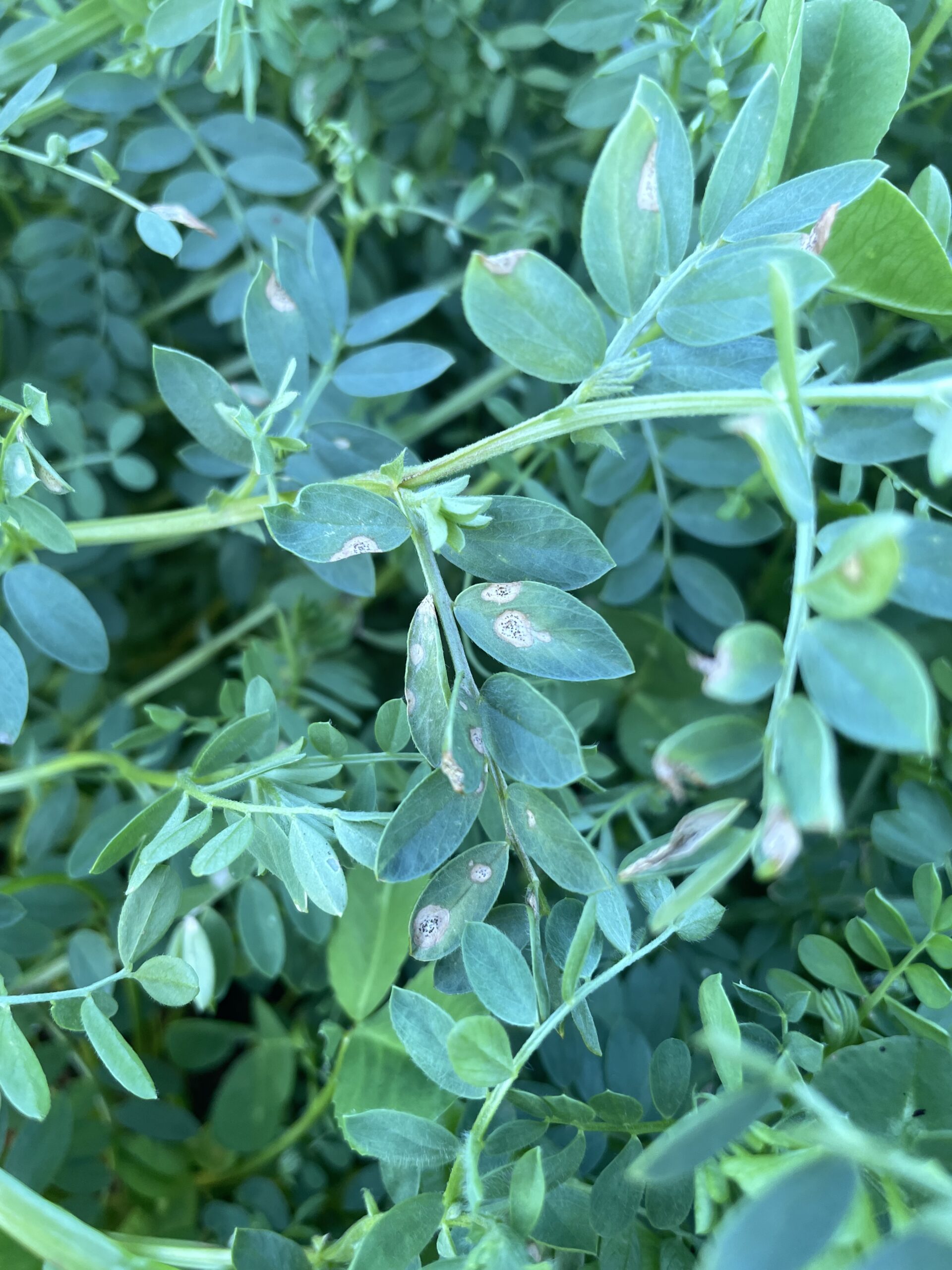
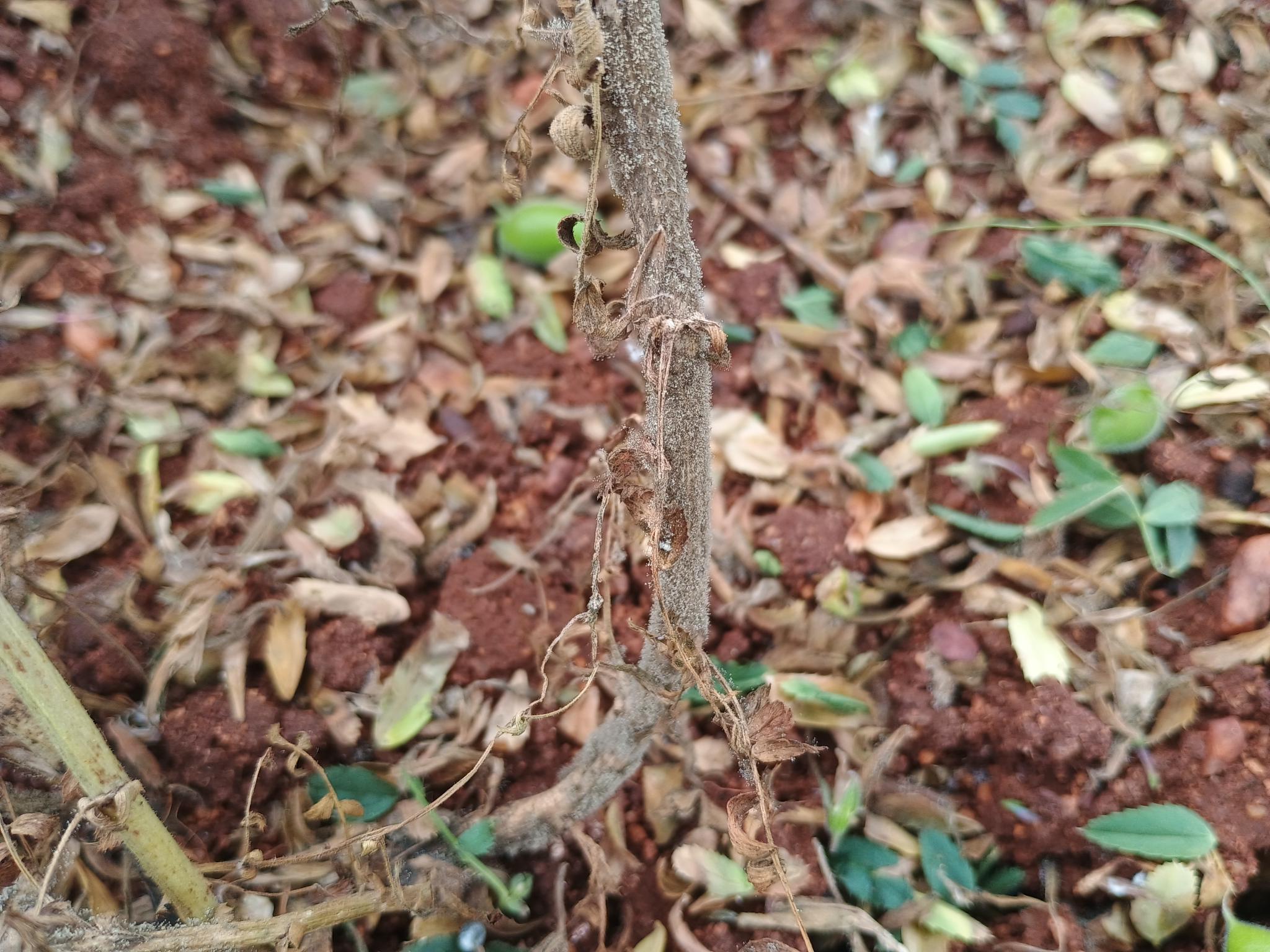
Botrytis grey mould of chickpea and lentil
Developing fast and reliable screening methods in controlled environments and in the field to identify chickpea varieties resistant to Botrytis grey mould for use in breeding programs. All current chickpea varieties are highly susceptible to the disease. This GRDC-funded project is in collaboration with Agriculture Victoria.
Identification and characterisation of chickpea ascochyta blight genes
Developing a diverse set of chickpea lines with known resistance genes, matched to specific Ascochyta blight pathotypes, to support breeders in improving disease resistance in Australian chickpea varieties. This is a GRDC-funded project led out of ICARDA.