2025 was the year of record wheat harvests and agricultural strength. Queensland, northern NSW, and southern WA thrived with above-average early autumn rainfall, creating excellent soil moisture and strong crop establishment. Meanwhile, southern NSW, western Victoria, and northern WA faced extremely dry conditions, leading to widespread dry sowing.
Behind the scenes, The Centre for Crop Disease Management (CCDM) was working hard in the background – researching the latest techniques in fungicide resistance and uncovering the molecular secrets of crop diseases to keep the industry strong.
Here are CCDM’s top 5 media highlights of 2025:
1. Triple Fungicide Resistance
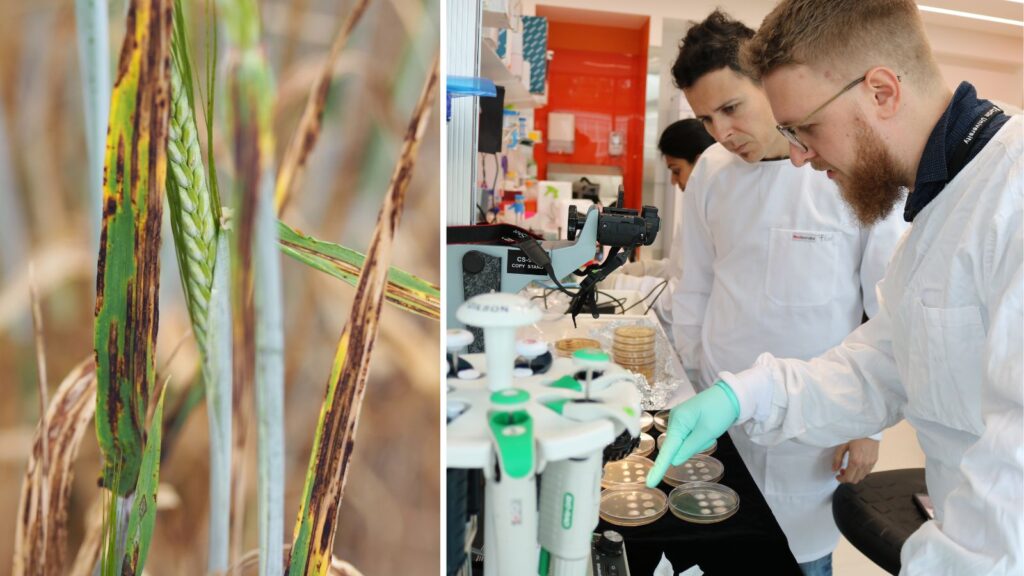
CCDM researchers confirmed a major development in fungicide resistance in Australian barley pathogens during 2025. Triple resistance mutations in individual net form net blotch (NFNB) isolates were detected in WA, SA, and Victoria, affecting all three key fungicide groups (3, 7, and 11). These triple-resistant mutants are likely widespread, creating an urgent challenge for growers.
This concerning development highlights the critical need for integrated disease management strategies. CCDM scientists strongly recommend growers follow the AFREN fungicide resistance five to reduce risk, including:
- Rotating away from barley in upcoming seasons to break the disease cycle. Selecting barley cultivars with higher NFNB resistance ratings for future plantings.
- Eliminating all volunteer barley (‘green bridge’) that can harbour the pathogen between seasons.
- Consulting agronomists for tailored fungicide advice and exploring alternative control measures.
By combining cutting-edge molecular research with practical field advice, CCDM continues to support growers in adapting to this evolving disease threat and maintaining crop profitability.
Read the CCDM Spotlight story here
Read the GRDC media release on the SA triple mutant here
Read the GRDC media release on the WA triple mutant here
Read the Agriculture Victoria media release on the VIC triple mutant here
2. Improving Sclerotinia stem rot in Canola
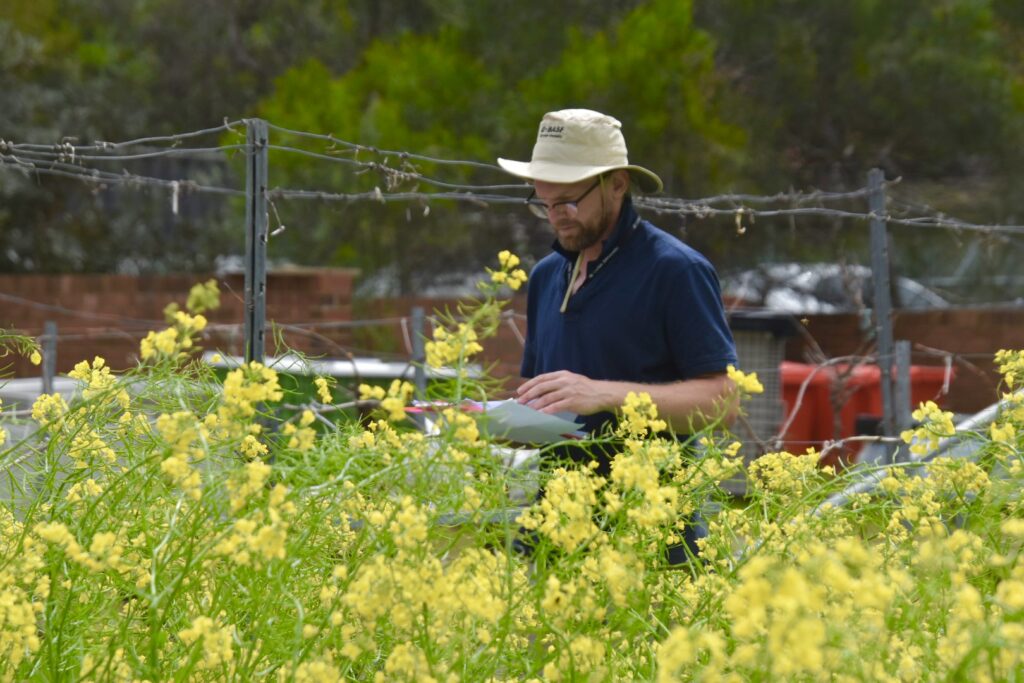
Sclerotinia stem rot is a major challenge for canola growers because the fungus has a wide range of host crops, making crop rotation ineffective. Currently, the only effective way to manage the disease in Australia is through preventative fungicide sprays at flowering. But these treatments are costly, and their return on investment can be hard to predict.
This is where CCDM researchers step in. The Canola and Pulse Diseases group is paving the way for Australian growers by investigating canola cultivars with improved resistance to sclerotinia stem rot, aiming to reduce reliance on chemical control and improve profitability.
Through cutting-edge molecular research and field trials, CCDM is identifying genetic traits that can deliver durable resistance. This work is part of a broader strategy to help growers manage disease risk sustainably, reduce input costs, and maintain yield stability in high-pressure seasons.
By combining science with practical solutions, CCDM is ensuring growers have access to future-ready tools – because managing sclerotinia isn’t just about today’s crop, it’s about securing the long-term resilience of Australia’s canola industry.
Listen to the GRDC Podcast here
3. Seasonal Updates
This year brought both highs and lows for growers across the country. Throughout the season, CCDM has provided regional updates, keeping agronomists and the wider industry informed about emerging disease threats, resistance trends, and best-practice management strategies.
Season Snapshot:
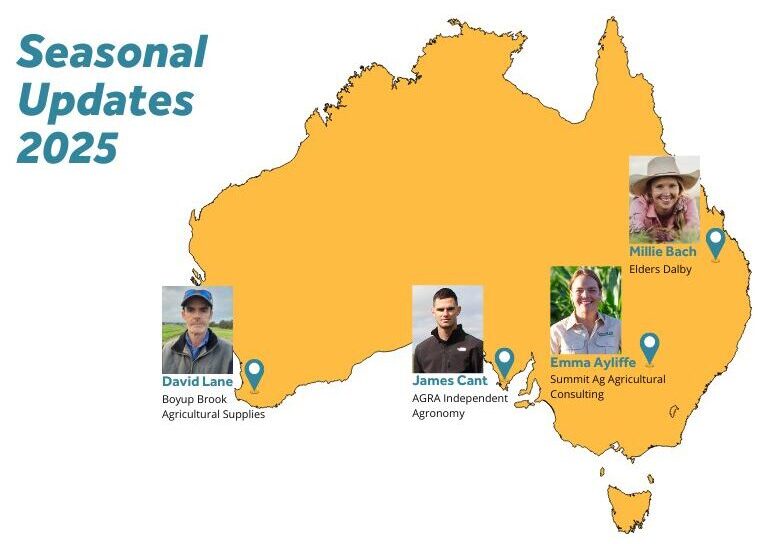
New South Wales
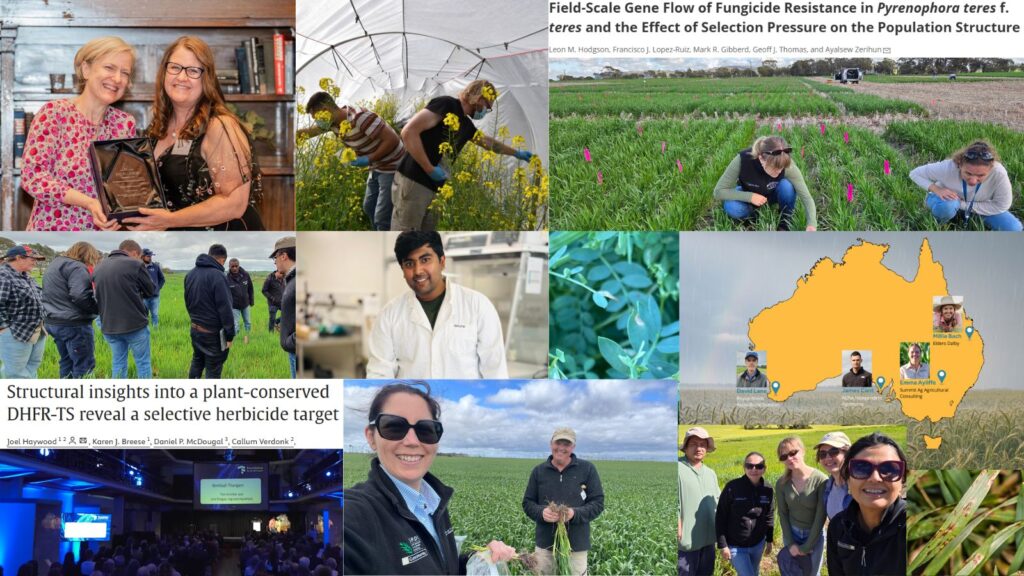
Emma Ayliffe from Summit Agricultural Consulting reported an extremely dry start – “ It was a very dry January, February, March – about 40 mm of rainfall for the whole summer.” This left some producers 15–20 days behind normal. On the upside, stripe rust pressure was among the lowest seen in years, even in susceptible varieties, and oats and barley remained clean.
Western Australia
David Lane from Boyup Brook Agricultural Supplies noted early planted crops flowered over an extended period, with canola and cereals tracking above-average yields. Disease focus remained on Blackleg and Sclerotinia, managed with fungicides like Prosaro and Aviator.
Queensland
Millie Bach from Elders said Yellow Spot was more prevalent in the Westerns Downs, while Crown Rot continued to concern growers – but, crops had good yield and quality. She said “some of the later crops really missed out. The later we planted this season, the more the yields dropped away. But there were some fantastic yields on some early barley – so a fairly mixed bag in the end.”
South Australia
James Cant from AGRA Independent Agronomy described near nine months without rain, resulting in small crop canopies and virtually no common winter diseases such as Septoria or Powdery Mildew. But with a flip of the weather towards the end of the season, although disease pressure stayed low, many had to change mindset for the high yield conditions.
CCDM Director
CCDM Director Mark Gibberd recommends, “while profitability is often considered year-by-year, multi-year planning is critical for managing disease, insect and weed pressure, and pesticide resistance.”
Read the June seasonal update here
Read the September seasonal update here
Read the December seasonal update here
4. Fungicide Resistance: Behind the scenes with AFREN
The Australian Fungicide Resistance Extension Network (AFREN) have done exceptional work in tackling fungicide resistance earning national recognition at the 2025 Engagement Australia Excellence Awards in Sydney! The team was named a finalist in the Industry Engagement Category and received a High Commendation – a testament to their vital role in safeguarding crop health. Through their multi-faceted approach to extension, AFREN provides growers with the tools to manage fungicide resistance, ensuring sustainable crop protection and safeguarding future food security.
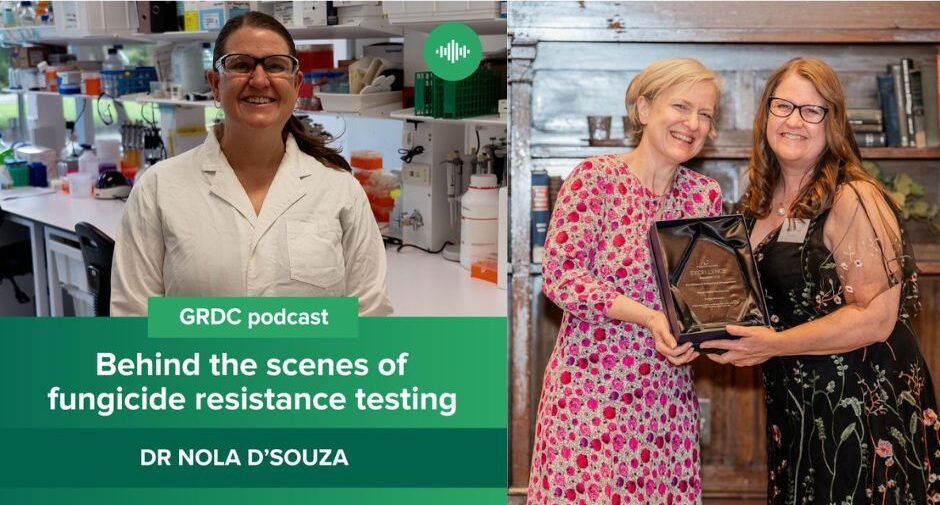
Recently, CCDM’s Nola D’Souza featured on GRDC’S podcast, discussing AFREN’S critical role in protecting crops and maintaining fungicide effectiveness. She spoke about the practical steps growers can take to slow its spread and shares why managing resistance is vital for crop profitability, highlighting emerging trends and resources that help growers make informed decision.
Listen to the GRDC Podcast here
The Fungicide Resistance team at CCDM is continuing to provide research and monitoring to inform the development of the management strategies. They are currently working on a suite of high throughput technologies for faster lab-based and in-field detection and quantification of fungicide resistance.
Video credit: ROC-Engagement and Impact, Research at Curtin
5. CCDM Experts Feature in WA Drought Hub Podcast
Since the 1970s, declining rainfall and limited water resources have made efficient water use in food production critical.
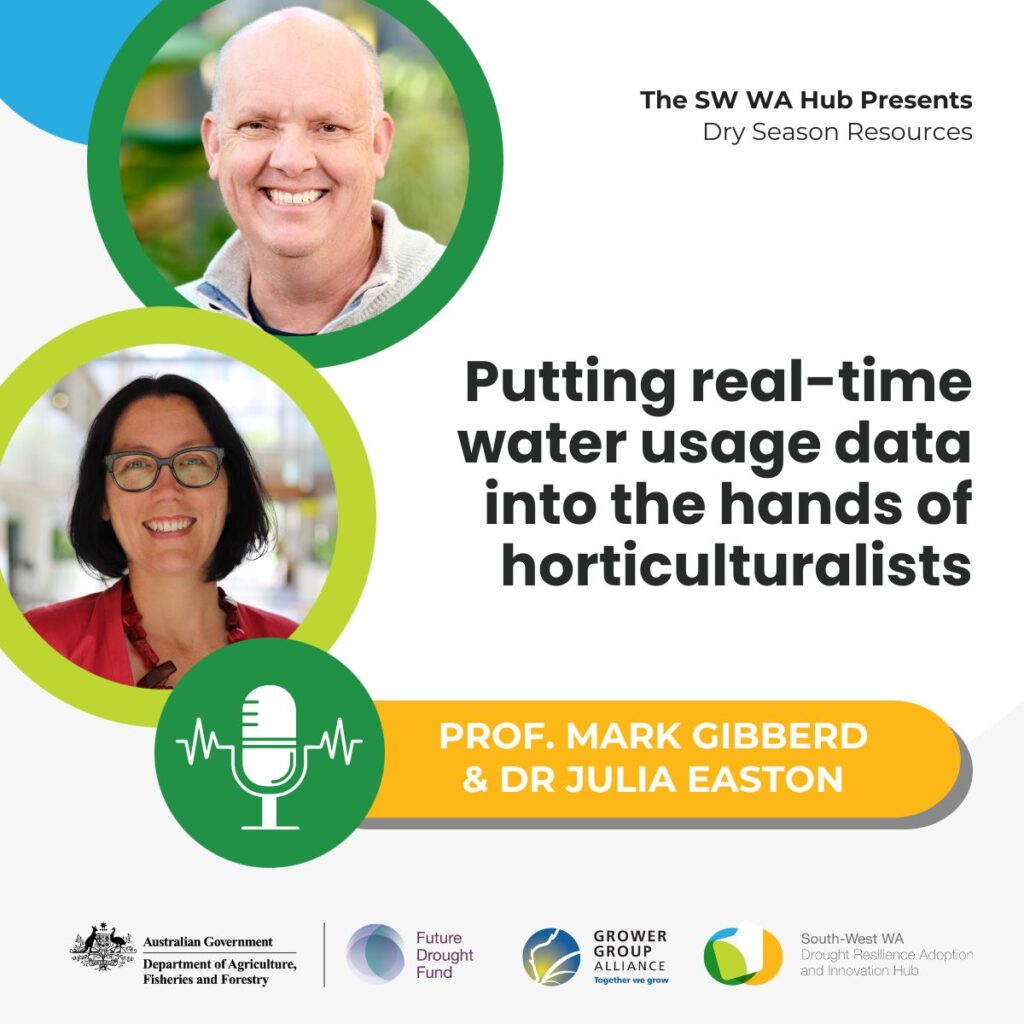
On an episode of the Dry Season Resources podcast from WA Drought Hub, CCDM Director Mark Gibberd and Associate Professor Julia Easton shared insights on the On Farm Water Demand project – funded through the WA Node of Food Agility CRC.
This regional initiative began with a community meeting and grew into a multi-farm trial using soil moisture sensors and irrigation monitoring to better understand water use in high-value products like avocados, truffles, apples, wine grapes, and potatoes.
With 27 farms involved, year-round data collection helped farmers make informed decisions – daily and seasonally – based on evidence rather than instinct. The project demonstrates how structured data supports:
- Business planning
- Water efficiency
- Climate adaptation modelling at a catchment scale
Listen to the WA Drought Hub Podcast Here
Honourable Mentions
Check out some publications written by CCDM staff and students this year.
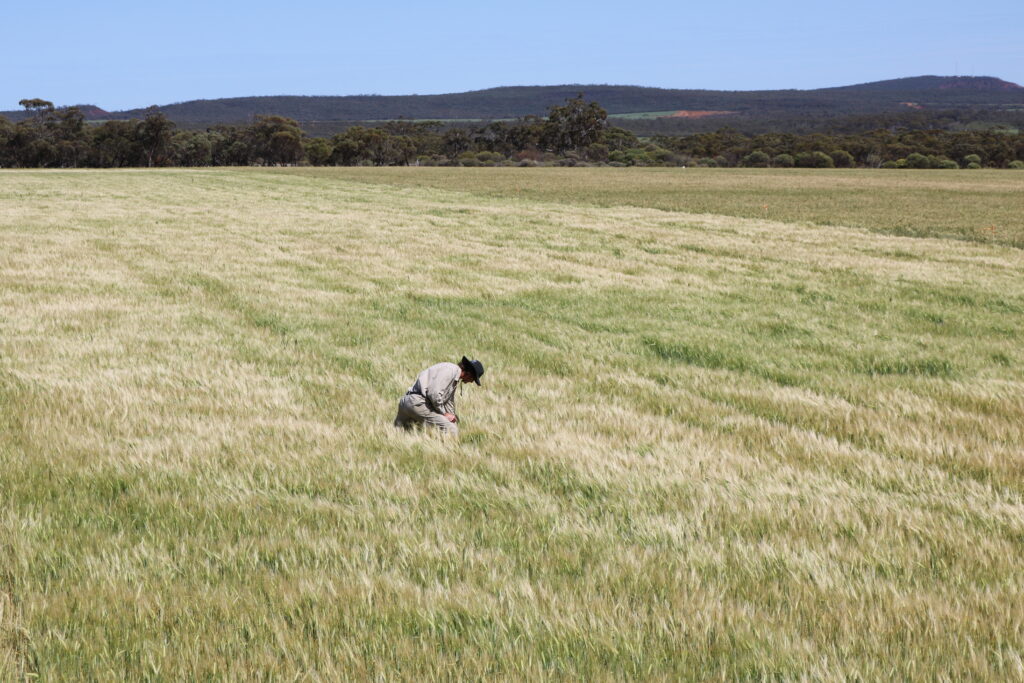 Title: Field-Scale Gene Flow of Fungicide Resistance in Pyrenophora teres f. teres and the Effect of Selection Pressure on the Population Structure
Summary: This study examined gene flow of fungicide resistance in Pyrenophora teres f. teres (Ptt) using a large-scale, replicated field trial under treatments, post artificial inoculation. Unfavourable weather conditions induced low disease pressure which led to gene flow as undetected beyond 2.5 m from the source of resistance, highlighting how epidemic strength may influence the spread of resistance. Treatment effects showed influence on the frequency of resistance in the Ptt population to imply potential new management options i.e., remediation of fungicide resistant populations. Funding was provided by Curtin University, the Department of Primary Industries and Regional Development and GRDC.
Title: Structural insights into a plant-conserved DHFR-TS reveal a selective herbicide target
 Summary: Modern agricultural practices rely on herbicides to reduce yield losses. Herbicide-resistant weeds threaten herbicide utility and, hence, food security. This study resolved the crystal structure of the plant-conserved bifunctional enzyme DHFR-TS (AtDHFR-TS1) from Arabidopsis thaliana, revealing a divergent DHFR active site and a unique linker domain that challenges previous classifications. Leveraging this architecture, researchers identified highly selective herbicidal inhibitors through virtual screening, confirming DHFR-TS as a promising new herbicide target. This paper was funded by Curtin University, The Australian Research Council and GRDC.
Title: Recombination and transposition drive genomic structural variation potentially impacting life history traits in a host-generalist fungal plant pathogen
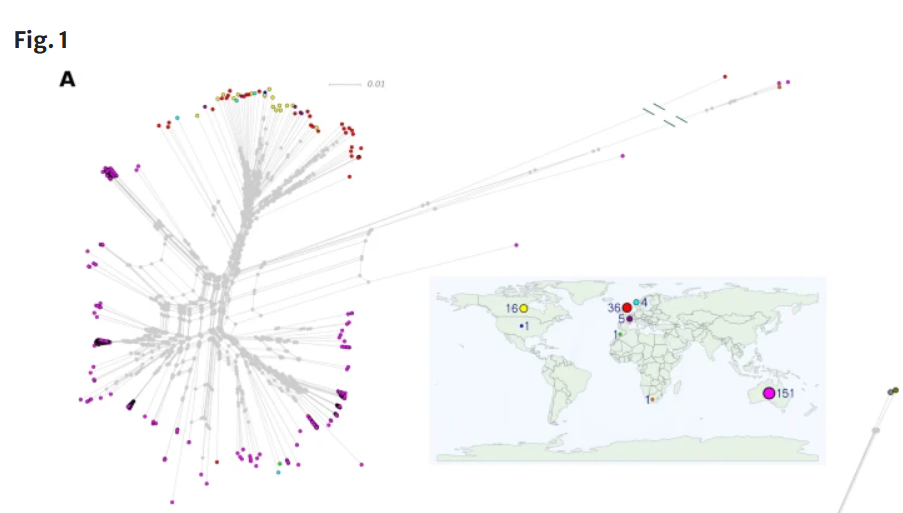 Summary: Plant pathogen populations must maintain adequate heritable phenotypic variability to survive. This study reveals how recombination and transposons drive structural variation (SVs ≥50 bp) in Sclerotinia sclerotium, a host-generalist fungal pathogen. Despite limited gene content diversity, these SVs may significantly influence phenotypic variability, highlighting genomic mechanisms that underpin adaptive flexibility in plant pathogens. This project was funded by Curtin University and GRDC.
FameLab Australia 2025
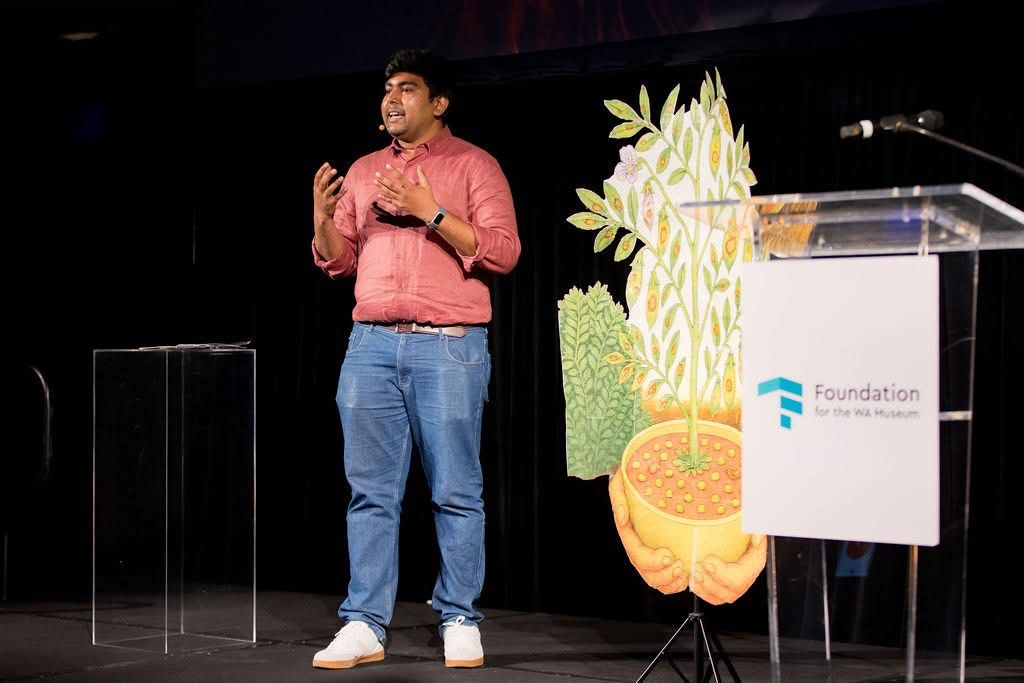
CCDM’s PhD student, Nimllash Thangam, reached the national finals of FameLab Australia 2025.
From 120 applications, judges shortlisted 55 entrants for regional online semi-finals. Winners then progressed to the national stage, where 12 of Australia’s best early-career science communicators were selected to compete in the live final- including Nimllash.
He delivered his talk at the WA Museum Boola Bardip in Perth, representing Western Australia among the country’s top science communicators.
Thanks for checking out our content in 2025 – if you are interested in hearing more from us be sure to sign up for our newsletters at the bottom of the website and follow us on social media.
Bluesky | X (Twitter) | LinkedIn | YouTube